Roblox: Grow a Garden – How Slow Progression Creates Long-Term Player Engagement
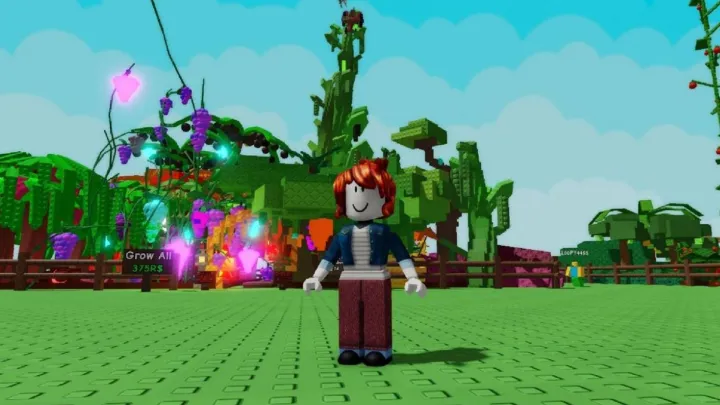
Roblox: Grow a Garden is a simulation game that proves slow gameplay can still be deeply engaging. Instead of fast rewards or competitive pressure, the game focuses on gradual progress, routine actions, and visual satisfaction. This article explores how Grow a Garden uses simple systems to keep players returning over time.
1. The Core Gameplay Loop Explained
At its core, Grow a Garden follows a repeating loop: plant, wait, harvest, and reinvest. This loop is easy to understand and calming to repeat.
The simplicity reduces cognitive load, making the game ideal for relaxation.
Core Loop Elements
- Planting
- Waiting
- Harvesting
- Upgrading
Low Mental Stress
No complex decisions required.
2. The Psychology of Waiting in Games
Waiting is often avoided in games, but Grow a Garden embraces it. Crops take time to grow, creating anticipation.
This waiting builds emotional attachment to progress.
Why Waiting Works
- Builds routine
- Encourages return visits
Anticipation Effect
Rewards feel earned.
3. Visual Feedback and Player Satisfaction
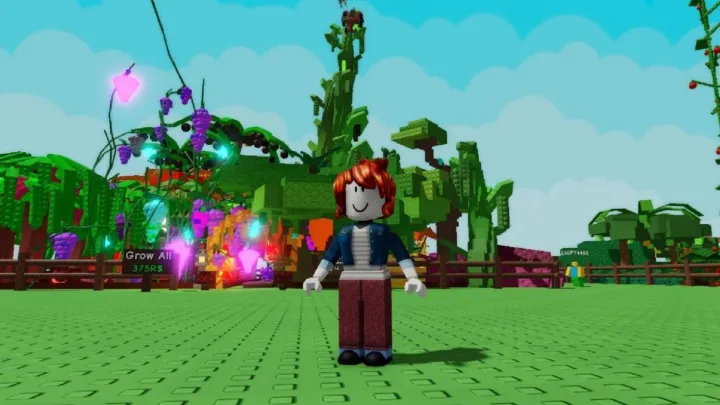
Every action in Grow a Garden produces visible change. Crops grow, land expands, and gardens look fuller.
Visual feedback reinforces motivation.
Visual Rewards
- Growing plants
- Expanding land
- Decorative upgrades
Satisfaction Through Sight
Progress is easy to see.
4. Routine-Based Gameplay and Daily Habits
The game naturally encourages daily check-ins. Players return to harvest and replant.
This routine-based design builds long-term engagement.
Habit Triggers
- Timed growth
- Upgrade goals
Gentle Retention
No pressure to grind.
5. Decision-Making Without Punishment
Mistakes in Grow a Garden are never punishing. Poor planting choices only slow progress slightly.
This forgiving design makes experimentation safe.
Safe Choices
- No permanent loss
- Easy recovery
Stress-Free Play
Ideal for younger players.
6. Custom Gardens as Personal Spaces
Each garden feels like a personal project. Layout choices and decorations give players ownership.
Personal spaces increase emotional investment.
Personalization Options
- Crop arrangement
- Decoration placement
Emotional Attachment
Players care about their garden.
7. Social Comparison Without Competition
Seeing other players’ gardens creates inspiration rather than rivalry.
There are no leaderboards, reducing anxiety.
Social Motivation
- Visiting others
- Sharing ideas
Positive Comparison
Motivation without pressure.
8. Monetization and Fair Player Experience
Grow a Garden avoids aggressive monetization. Progress is achievable without spending money.
This builds trust between game and player.
Fair Design
- Optional purchases
- No pay-to-win
Player Respect
Time matters more than money.
9. Why the Game Appeals to All Ages
The game’s pace and clarity make it accessible to children while still enjoyable for adults.
Simple mechanics do not mean shallow experience.
Universal Appeal
- Easy controls
- Clear goals
Family-Friendly Design
Safe and welcoming.
10. The Role of Grow a Garden in Relaxing Game Trends
Grow a Garden reflects a broader trend toward cozy and relaxing games on Roblox.
It shows demand for calm digital experiences.
Industry Trend
- Cozy games
- Slow progression
Cultural Shift
Relaxation over competition.
Conclusion
Roblox: Grow a Garden succeeds by rejecting urgency and competition. Its slow progression, forgiving systems, and visual satisfaction create a comforting gameplay loop. By focusing on routine, ownership, and calm design, the game demonstrates how simple mechanics can support long-term player engagement without stress.