.webp)




A New Era Begins For Viking Frontiers
Viking Frontiers has entered 2025 with an unexpectedly bold wave of updates that have redefined its core identity. Once regarded primarily as a rugged survival-crafting game, it now stands as a hybrid frontier simulator blending exploration, settlement strategy, and emergent narrative design. These updates have transformed the game into one of the most talked-about titles in the Nordic-fantasy genre.
The developer’s push this year has been focused on refining systems that support long-term progression. From settlement diplomacy to dynamic weather patterns and new PvE threats, each element has been crafted to give players a deeper sense of belonging within the world. Instead of merely surviving, players now inhabit and influence the frontier in a way that feels textured and historically grounded.
Another defining aspect of these 2025 updates is a deliberate emphasis on authenticity. Instead of relying on mythical tropes alone, Viking Frontiers now draws from archaeological research, maritime history, and Norse cultural practices to enrich its reality. This approach has resulted in a more nuanced narrative tone and more meaningful gameplay choices.
Exploration Reimagined With The Northern Horizon Update
Perhaps the most transformative update this year is the Northern Horizon expansion, which redefines world exploration on both macro and micro scales. It introduces biome transitions, solar-angle lighting, and an overhaul of ocean navigation mechanics that finally gives seafaring the weight it deserves.
Expanding The Map Beyond Known Shores
Players can now travel past the familiar fjords into procedurally shaped frontier territories. These distant lands contain a blend of forests, icy plains, river deltas, and volcanic ridges that shift depending on seasonal cycles. Each region contains new wildlife behaviors, territorial disputes, and resource clusters that encourage both risk and reward.
Weather As A Living Obstacle
The weather system is now fully dynamic. Storm fronts form realistically from the west, affecting visibility, morale, and ship handling. Wind speed influences arrow trajectory, and fog banks can conceal enemy ambushes. This weather system merges survival and tactics in a way that feels natural yet unpredictable.
Microclimates Affect Daily Life
Small regions may now have their own microclimates. A valley near a geothermal spring can be warm even during harsh winters, making it a natural settlement hub. These variations drive meaningful choices about where to settle or migrate.
Settlement-Building Evolves Into A Strategic Experience
What began as a simple crafting-and-building loop is now a full settlement management system. Clans must be housed, fed, trained, and assigned tasks according to their strengths. This brings Viking Frontiers closer to real-time strategy while retaining its hands-on survival feel.
Clan Roles And Social Hierarchies
Each NPC now carries unique abilities, backgrounds, and temperament traits. A blacksmith with a lineage tied to coastal villages works more efficiently near saltwater forges. A warrior with a history of raid leadership grants morale bonuses in skirmishes. These subtle details give settlements social dimension.
Upgraded Construction Choices
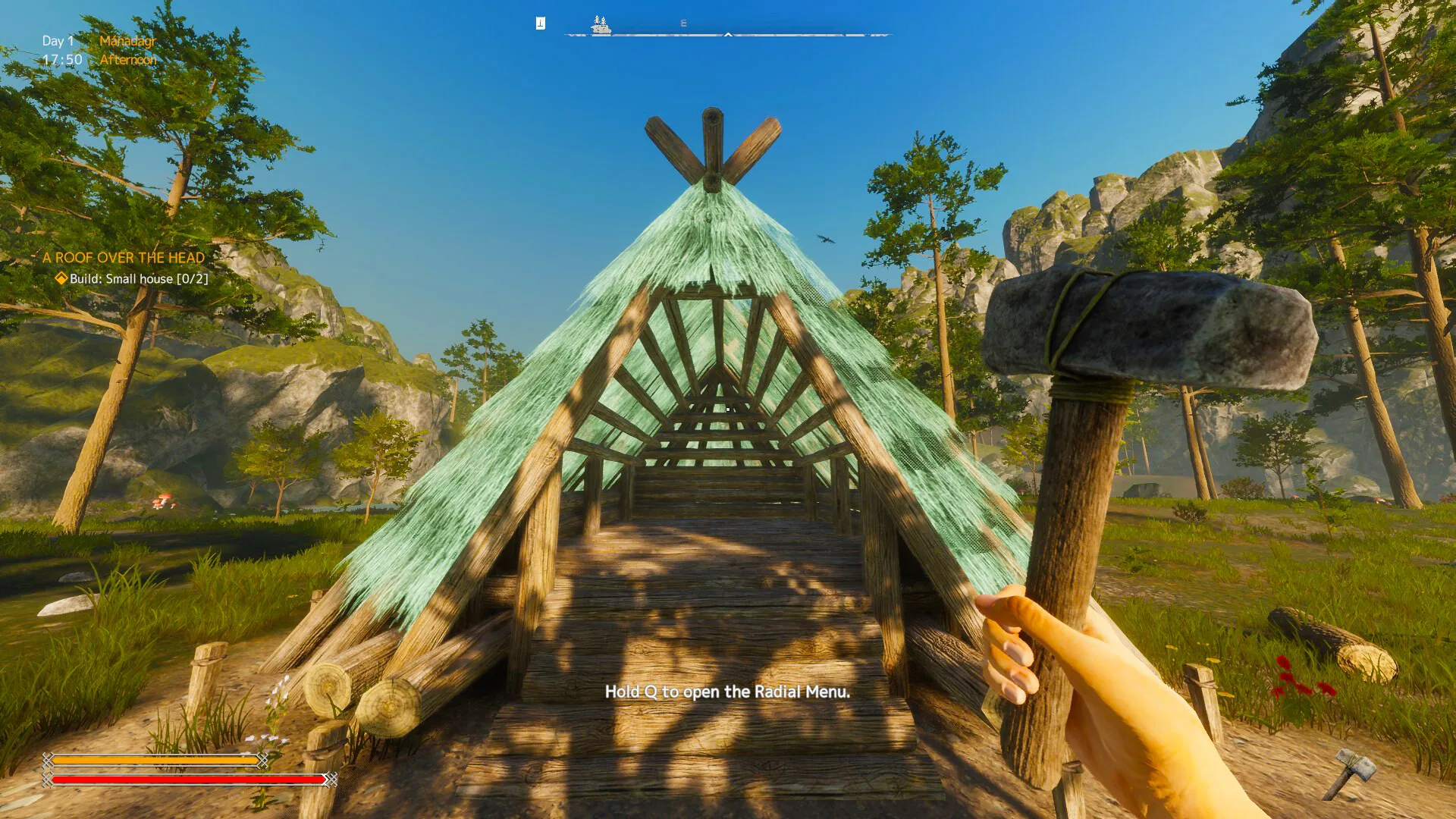
The construction system now includes tiered materials, vertical building options, and architectural stability rules. Players must consider wind direction, slope pressure, and seasonal rain when expanding their village, turning construction into a puzzle that balances durability with resource availability.
Long-Term Settlement Reputation
Your settlement now develops a reputation with nearby clans and traders. This affects trade prices, migration opportunities, raiding threats, and festival invitations. Reputation also changes storylines, emphasizing that settlements are not isolated bubbles but part of a living world.
Combat Redesigned With Weight, Precision, And Agency
Combat in Viking Frontiers has shifted far beyond simple hack-and-slash rhythm. Inspired by historical melee practices, it now rewards controlled aggression and situational awareness.
Stamina, Weight, And Armor Logic
Weapons have distinct weight profiles that influence timing and stamina. Light axes excel in hit-and-run engagements while heavy shields create openings in defensive formations. Armor types now respond differently to blunt force, piercing strikes, and environmental conditions.
Enemy AI That Learns And Adapts
Enemies no longer repeat predictable patterns. Raiders retreat to high ground, wolves circle weaker targets, and rival clans use flanking tactics based on terrain. Instead of static AI behavior, enemies adjust to the player’s preferred combat style, forcing new strategies.
Boss Encounters As Narrative Anchors
The new boss encounters introduced in 2025 serve narrative purposes rather than merely existing as mechanical hurdles. A berserker chief may challenge the player after diplomatic failure, or a sea wraith might appear after reckless ocean travel. These encounters elevate storytelling while maintaining tension.
Trade Routes, Caravans, And A Growing Economy
Economy and trade were once minor elements, but the latest update has turned them into pillars of progression. This new system ties together settlement growth, clan morale, and regional stability.
Seasonal Trading Opportunities
Trade caravans arrive based on seasonal calendars. Winter brings scarce goods at high prices, while summer yields abundance. This encourages players to strategize resource storage and prioritize essential upgrades before the frost arrives.
Maritime Commerce And Naval Influence
Seafaring trade now includes long-distance routes. Navigating these waters opens access to rare herbs, foreign steel, and cultural artifacts that spark new settlement events. The sea is not merely a barrier but a gateway to economic opportunity.
Economic Risks During Conflict
Trade routes can be attacked by rival clans or disrupted by storms. Losing a caravan or ship not only costs resources but also weakens your settlement’s political standing, further linking economy to narrative stakes.
Storytelling Grows More Personal And Player-Driven
The storytelling approach in Viking Frontiers has shifted toward emergent narrative arcs. Instead of a fixed linear campaign, players now experience branching storylines influenced by their leadership decisions.
Character Histories And Player Choices
NPCs now remember how players treat them. A clan leader who is respected may offer alliance treaties, but if slighted, they may retaliate with sabotage. These relationships add warmth and danger to every interaction.
Seasonal Festivals As Social Anchors
Festivals and rituals serve as meaningful checkpoints in the story. They celebrate victory, mourn losses, or negotiate peace. During festivals, players may face moral dilemmas that influence future alliances.
Environmental Storytelling
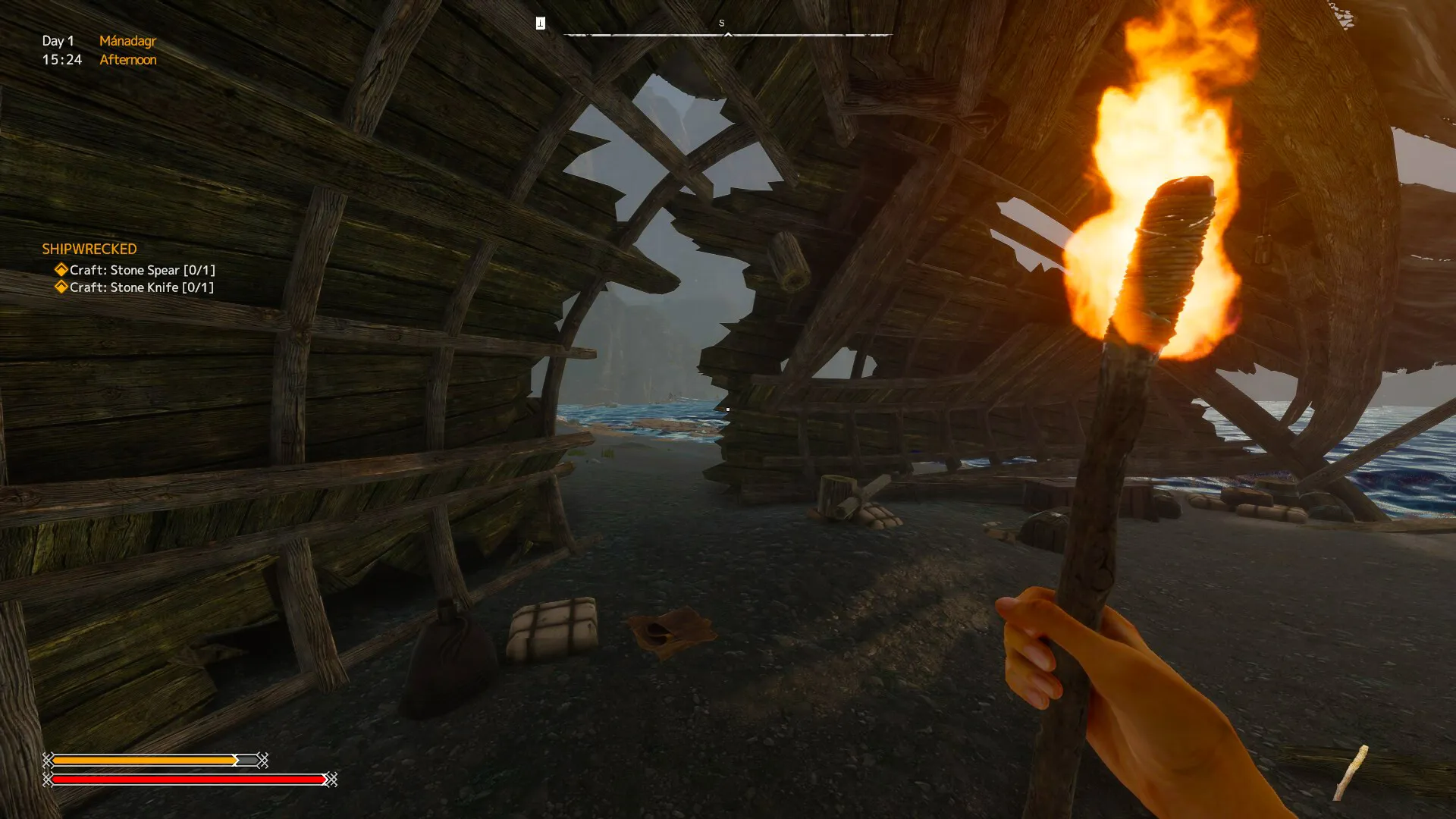
Ruined outposts, shipwrecks, and abandoned camps tell smaller stories that players uncover through exploration. These details help the world feel ancient, lived-in, and rich with historical echoes.
Community Feedback Shaped The 2025 Direction
Unlike previous years, the 2025 updates reflect heavy community involvement. Developers integrated player feedback on navigation, resource scarcity, combat pacing, and building complexity.
Transparency In Development
The studio has opened development diaries, allowing players to vote on priority features. This collaborative approach has strengthened trust and aligned updates with player expectations.
Modding Support And Tools
New modding tools introduced in 2025 let creators build custom settlements, enemy factions, and biome variations. The modding scene has already produced hundreds of creations that expand replayability.
Impact On The Game’s Identity
This open development strategy has blurred the line between developer intent and community creativity, solidifying Viking Frontiers as a player-driven ecosystem.
Technical Enhancements Push Visual And Performance Boundaries
The 2025 overhaul includes deep optimization and visual improvements that make the world more immersive.
Lighting And Shader Improvements
Natural light sources now behave realistically, refracting across snow, wood, water, and stone. Torches cast dynamic shadows and auroras illuminate nighttime travel.
Performance Optimization For Large Settlements
The new engine update reduces memory load for multi-tier settlements. Even with dozens of NPCs and structures, performance remains stable across most hardware setups.
Audio Design For Emotional Impact
Vocal chants, ocean swells, and battlefield echoes enrich the sensory experience. Audio cues also serve as gameplay indicators, warning players of ambushes or shifting weather.

What Comes Next For Viking Frontiers
The development roadmap for the rest of 2025 hints at new frontier territories, expanded diplomacy, and myth-touched story arcs. While the game leans into historical roots, it will introduce measured mythical elements to balance realism with Norse legend.
Upcoming features may include new clan alliances, mount systems, and endgame migration events. This direction promises longevity as players continually evolve their settlements and legacy.
Conclusion
Viking Frontiers has transformed dramatically in 2025. What was once a grounded survival game is now a rich frontier-building experience shaped by exploration, diplomacy, adaptive combat, and player-driven storytelling. These updates have deepened immersion and broadened strategic possibilities without sacrificing the game’s rugged Norse identity. With its expanding world and community-influenced development cycle, Viking Frontiers now stands as one of the most compelling frontier simulators of the year.