


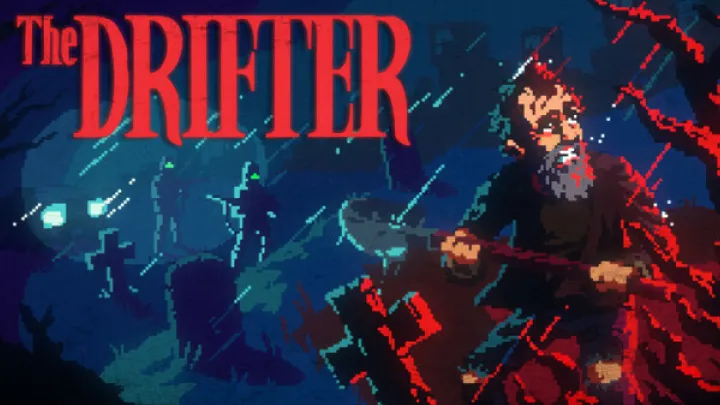
The Drifter is an indie action-adventure game that immerses players in a visually striking world filled with mystery, exploration, and difficult choices. As players take on the role of the titular character—a wanderer traversing a beautifully stylized landscape—they confront challenges that test not just their skill but also their sense of identity and morality. However, one of the most pressing issues within the game is how it handles player agency and the impact of choices on narrative development. This article examines the intricate balance between player decisions and character identity in The Drifter, exploring the implications for storytelling, emotional engagement, and overall gameplay experience.
The Premise of The Drifter
Setting and Atmosphere
Set in a surreal, dream-like world, The Drifter invites players to explore diverse environments ranging from lush forests to desolate wastelands. The art style, characterized by its vivid colors and imaginative design, creates an immersive atmosphere that draws players into the game’s emotional landscape. The protagonist, known simply as The Drifter, is a solitary figure whose journey is fraught with peril and introspection.
Story and Themes
The central narrative revolves around The Drifter's quest for self-discovery and redemption. As players traverse the world, they encounter various characters and factions, each presenting unique challenges and moral dilemmas. Themes of isolation, identity, and the consequences of choice form the backbone of the storyline, encouraging players to reflect on their decisions throughout the game.
The Significance of Player Agency
Defining Player Agency
Player agency refers to the degree of control and influence players have over their character’s actions, decisions, and the unfolding narrative. In The Drifter, player agency is central to the experience, as decisions not only affect immediate outcomes but also shape The Drifter's identity and relationships with other characters.
Balancing Freedom and Structure
While player agency is essential for immersion, it must be balanced within a structured narrative framework. Too much freedom can lead to a fragmented experience, while too little can stifle creativity and meaningful engagement. The Drifter walks this fine line, attempting to provide players with choices that feel impactful while still guiding them through a cohesive story.
Mechanics of Choice
Dialogue Options and Consequences
One of the primary ways player agency is expressed in The Drifter is through dialogue choices. Players engage with various characters, choosing from multiple response options that can influence the direction of the narrative. These choices are rarely trivial; they often lead to significant consequences that affect relationships, plot points, and the overall emotional tone of the game.
Emotional Weight of Decisions
The game is designed to create emotional resonance around the choices players make. For instance, a decision that leads to an ally’s demise carries considerable weight, invoking guilt or remorse. This emotional weight is crucial for maintaining player engagement, as it compels players to think critically about their actions.
Character Development and Relationships
Building Unique Characters
In The Drifter, character interactions are richly textured, with each character reflecting different aspects of The Drifter’s journey. From mentors to adversaries, these relationships provide opportunities for growth and reflection. As the narrative unfolds, players learn more about these characters, thereby deepening their emotional investment in the story.
Impact of Choices on Relationships
Player decisions significantly impact relationships with non-playable characters (NPCs). A choice made in one conversation can lead to trust or betrayal, altering the dynamics of interactions throughout the game. This complexity adds layers to the narrative, as players must navigate the intricacies of their choices and the potential fallout.
The Narrative Structure
Weaving Player Choices into the Plot
The narrative structure of The Drifter is designed to adapt to player choices while maintaining coherence. The game incorporates branching storylines and varying outcomes based on decisions, allowing for a personalized experience. This features expands replayability, encouraging players to explore alternative paths and outcomes.
Maintaining Narrative Coherence
Despite the complexities of branching paths, it’s essential for the game to maintain narrative coherence. If the choices lead to incongruent storylines that feel forced or disjointed, players may feel disconnected from the overall narrative arc. Achieving this balance is crucial for player immersion.
Emotional Engagement Through Gameplay
Engaging Mechanics
The Drifter employs various gameplay mechanics that reinforce emotional engagement. Combat encounters, exploration, and puzzle-solving elements are intricately designed to resonate with the themes of struggle and self-discovery present in the narrative. This engagement is enhanced through strategic design, compelling players not just to act but to experience emotionally charged moments.
Climactic Moments and Choices
The game carefully constructs climactic moments where players must make high-stakes decisions, effectively heightening emotional tension. Whether it’s facing a powerful enemy or deciding the fate of a crucial character, these moments serve as pivotal points that resonate deeply with players, reinforcing their connection to the character and story.
Challenges of Overwhelming Complexity
Risk of Choice Overload
One challenge faced by The Drifter relates to the potential overwhelming nature of choices. With numerous dialogue options and branching paths, players may feel paralyzed by indecision. This can detract from the overall experience, as players become more focused on making "the right choice" rather than immersing themselves in the story.
Simplifying Complex Choices
Developers can mitigate this issue by implementing systems that describe the implications of choices in a more transparent manner. Clearer indications of how decisions might affect the narrative can help players feel more confident in their choices.
Community Feedback and Iterative Design
Engaging with Player Input
The Drifter has benefited from an interactive development process that incorporates community feedback. This engagement allows developers to gauge player reactions and make necessary adjustments to enhance player agency and narrative experiences.
Responsiveness to Concerns
Listening to player feedback is critical in addressing community concerns regarding pacing, character depth, and choice fatigue. Iterative design processes that prioritize player experiences can yield substantial improvements in gameplay and narrative cohesion.
Replayability and Exploration
Encouraging Different Playthroughs
Maximizing replayability is essential for engaging players over time. The Drifter offers varied outcomes based on the multitude of choices, encouraging players to explore different storylines and character relationships in subsequent playthroughs.
Unlocking New Story Arcs
Implementing systems that unlock new story arcs and characters based on prior decisions can further enhance the replayability of The Drifter. Players should feel motivated to return to the game to discover alternative paths and witness the repercussions of different choices.
Future Directions for The Drifter
Expanding the Narrative Universe
In light of the game’s rich history and emotional depth, there’s significant potential to expand The Drifter's narrative universe. Future updates or expansions could introduce new characters, unique storylines, and challenges that further enrich the existing world.
Leveraging New Technologies
Adopting emerging technologies can also enhance the storytelling potential. Virtual reality or augmented reality experiences could transform how players interact with The Drifter, creating more immersive ways to explore its world and engage with its story.
Conclusion
The Drifter intricately weaves player agency into its compelling narrative, emphasizing the importance of choices that resonate emotionally. While navigating challenges related to pacing, complexity, and community feedback, the game strives to create a rich, immersive world that encourages exploration and reflection. By focusing on strong character development, engaging gameplay mechanics, and iterative design, The Drifter holds the promise of being a standout title that resonates deeply with players. As it continues to evolve, it offers a unique opportunity to delve into the intricacies of identity and choice, ultimately enriching the interactive storytelling landscape.