Mastering Character Roleplay in Toca Life World: Advanced Storytelling Techniques for Endless Creative Play
Introduction
Toca Life World is often described as a digital dollhouse where players can create stories using hundreds of characters, locations, furniture, and interactive objects. While many guides focus on unlocking buildings, collecting gifts, or decorating homes, one of the most rewarding aspects of the game receives surprisingly little attention: character roleplay design.
Creating believable characters is what transforms a random collection of locations into an engaging world. Instead of simply moving people from one room to another, experienced players build personalities, routines, relationships, occupations, conflicts, and long-term story arcs. This approach allows every location to feel connected, making the game significantly more immersive.
This guide explores advanced roleplay techniques specifically for character creation and storytelling in Toca Life World. Rather than providing beginner tips, it focuses on designing realistic characters that can support dozens or even hundreds of hours of creative gameplay.
Start Every Character with a Clear Identity
The biggest mistake many players make is creating characters based solely on appearance. A character wearing fashionable clothes is not automatically interesting. Before selecting hairstyles or accessories, determine who that character actually is.
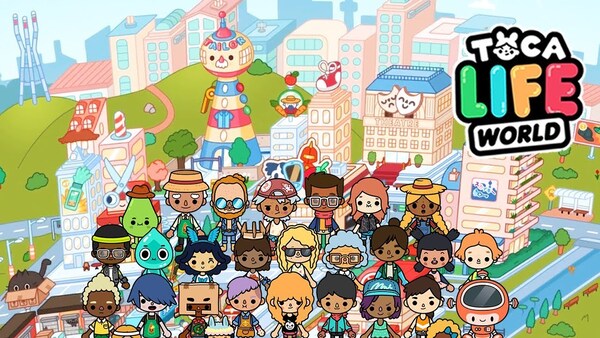
Think of every resident in your city as someone living a complete life rather than a decorative figure. Ask several important questions before building them:
Example Character Framework
Name: Emma
Age: 29
Career: Hospital nurse
Lives: Apartment downtown
Hobby: Photography
Goal: Save enough money to open a pet clinic
Notice that none of these details depend on clothing. The outfit simply becomes a visual extension of an already complete personality.
Build Families with Meaningful Relationships
Families become more engaging when each member serves a different role within the household. Instead of creating two parents and several children with nearly identical personalities, introduce contrasting behaviors.
One parent might be highly organized while the other is spontaneous. A teenager may enjoy sports while a younger sibling spends every afternoon reading books. These differences naturally create conversations and story opportunities.
Ideas for Family Dynamics
Single-parent household
Grandparents raising children
Large family with five siblings
Adopted children
Blended families
Twin siblings with opposite personalities
Adding Emotional Depth
Roleplay becomes memorable when characters disagree, support one another, celebrate achievements, or overcome challenges together. Everyday interactions often feel more authentic than dramatic events.
Give Every Character a Daily Schedule
A realistic world follows routines. Characters who randomly teleport between buildings quickly lose their sense of realism. Instead, imagine each resident following a consistent timetable.
For example, a teacher might leave home at 7:30 AM, teach until afternoon, shop for groceries after work, visit a café in the evening, and finally return home.
Sample Routine
Morning: Breakfast
8:00 AM: Commute
9:00 AM–3:00 PM: Work
4:00 PM: Shopping
6:00 PM: Family dinner
9:00 PM: Reading before bed
Repeating routines establishes familiarity while leaving room for unexpected events.
Design Occupations Beyond Their Workplaces
Jobs should influence every aspect of a character's lifestyle. A firefighter may exercise daily, own emergency equipment at home, and spend weekends helping neighbors. A chef could collect recipe books and frequently shop for ingredients.
This level of consistency makes every profession believable.
Occupation Ideas
Veterinarian
Journalist
Florist
Scientist
Mechanic
Police officer
Musician
Bakery owner
Connect Occupations Together
The journalist interviews the firefighter. The baker supplies pastries to the café. The mechanic repairs the doctor's vehicle. Interconnected professions make the city feel alive.
Use Homes to Tell Stories Without Dialogue
A well-designed house silently communicates its owner's personality. Instead of decorating every room with expensive furniture, think about what objects reveal the resident's interests.
A travel enthusiast may display suitcases, postcards, and souvenirs. A student might leave homework on a desk, while an artist fills the home with paintings and unfinished sketches.
Environmental Storytelling
Family photos
Messy bedrooms
Sports equipment
Bookshelves
Pet supplies
Musical instruments
These details communicate personality even before the story begins.
Introduce Long-Term Story Arcs
Instead of completing stories in one session, spread them across multiple days. Long-term storytelling creates anticipation and encourages players to revisit characters.
A café owner may struggle financially before eventually expanding into multiple locations. A college student might graduate, begin a career, and later start a family.
Story Arc Structure
Beginning
Conflict
Decision
Consequence
Growth
Resolution
Even simple narratives become memorable when they evolve gradually.
Create Supporting Characters Instead of Only Main Characters
Not everyone needs to be the hero. Background characters make cities believable. Delivery workers, librarians, teachers, neighbors, and shopkeepers all contribute to the world's atmosphere.
Supporting characters should still possess recognizable personalities despite appearing less frequently.
Supporting Character Examples
Friendly mail carrier
Strict librarian
Retired gardener
Taxi driver
Street musician
Why They Matter
Supporting characters create continuity across multiple storylines and help the world feel populated.
Build Seasonal Events into Your Stories
Characters should respond to changing seasons and celebrations. Decorating homes, changing wardrobes, and planning seasonal activities make the city evolve over time.
Summer vacations, autumn festivals, winter holidays, and spring cleaning all provide fresh storytelling opportunities.
Seasonal Activities
Birthday parties
School graduation
Camping trips
Beach vacations
Holiday dinners
Neighborhood festivals
Seasonal progression helps prevent stories from becoming repetitive.
Introduce Small Conflicts Instead of Constant Drama
Many players assume stories require villains or disasters. In reality, everyday problems often produce more relatable narratives.
A child loses a favorite toy. A restaurant runs out of ingredients. A photographer forgets a camera before an important event. These situations encourage creative problem-solving without overwhelming the tone of the game.
Conflict Ideas
Late for work
Broken bicycle
Lost pet
School project deadline
Power outage
Unexpected visitors
Simple conflicts encourage natural interactions among multiple characters.
Keep a Character Journal for Continuous World Building
As your city grows, remembering every relationship becomes increasingly difficult. Many experienced players maintain a notebook or digital document describing each resident.
Recording occupations, birthdays, friendships, addresses, and ongoing storylines helps maintain consistency over months of gameplay.
Useful Journal Categories
Name
Age
Occupation
Family
Friends
Home
Goals
Current storyline
Benefits of Documentation
A simple journal prevents contradictions and makes returning to older stories much easier. It also encourages larger interconnected narratives where every resident has a meaningful place in the city.
Conclusion
The true strength of Toca Life World is not the number of buildings or collectible items but the freedom to create living, believable communities. Players who invest time in developing personalities, routines, occupations, relationships, and evolving storylines discover a much deeper experience than simply decorating rooms or moving characters between locations.
Thoughtful roleplay transforms every apartment into a home, every workplace into part of a functioning city, and every character into someone with hopes, challenges, and connections. By focusing on long-term storytelling, environmental details, realistic routines, and carefully planned relationships, you can create a world that continues to feel fresh and engaging long after unlocking new locations. The richer your characters become, the more memorable every story in Toca Life World will be.